

Moving to Malaysia: Pros and Cons Explained (Visa, Cost of Living, Healthcare & Education)
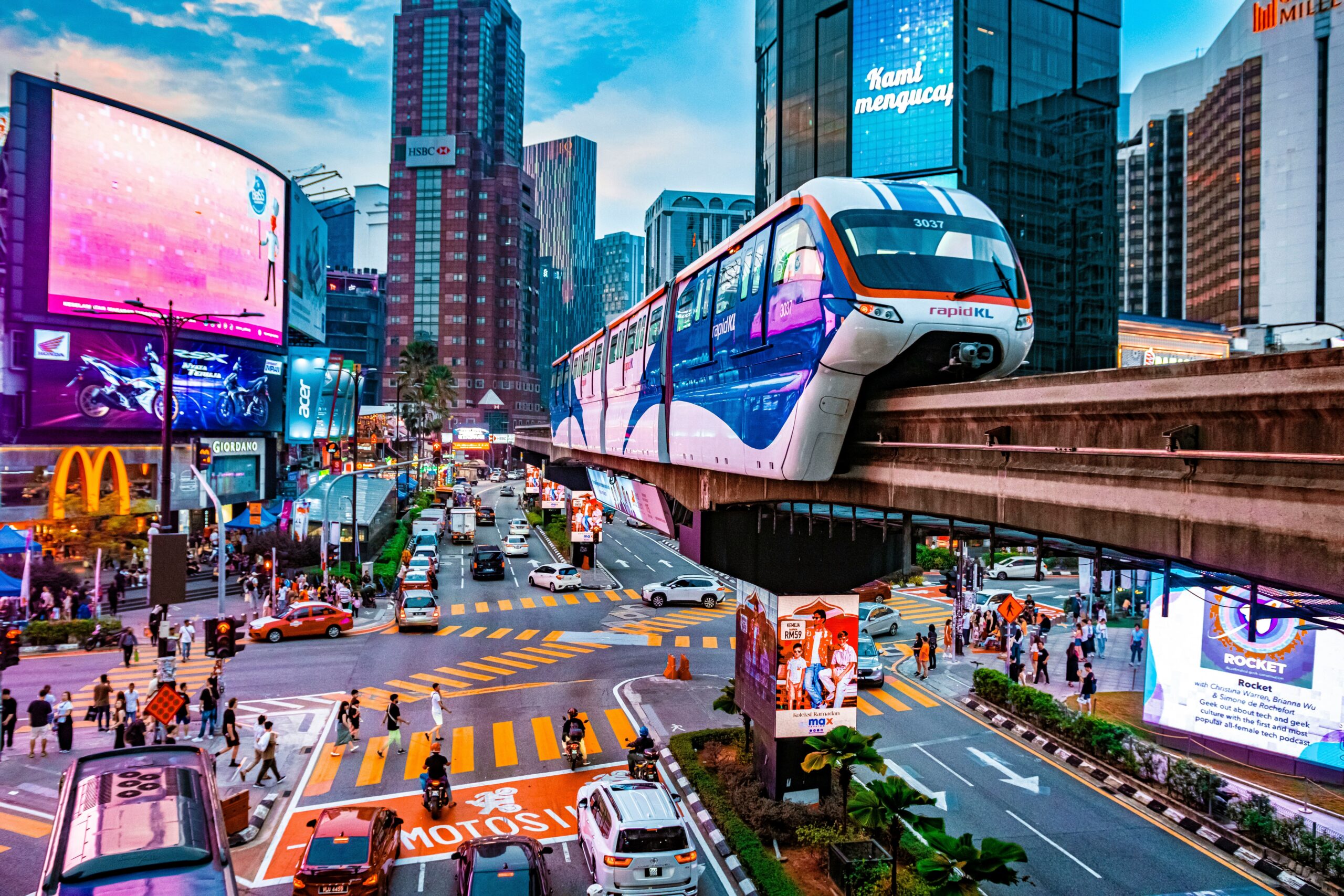
Malaysia has become one of the most attractive destinations in Southeast Asia for relocation. With widespread English usage, relatively affordable living costs, modern infrastructure, and a multicultural society, the country appeals to retirees, entrepreneurs, remote workers, and families seeking international education.
Whether you are considering Malaysia as a long-term base, a second home, or a regional hub for business, understanding both the advantages and potential challenges is essential. This article provides a balanced overview of the pros and cons of moving to Malaysia, covering visa options, cost of living, healthcare standards, and international school opportunities.
Contents
1. Key Advantages of Living in Malaysia
① English Is Widely Spoken
One of Malaysia’s biggest strengths is its English proficiency. Due to historical and educational influences, English is commonly used in business, healthcare, education, and daily transactions. This makes the transition smoother for expatriates from various countries.
② Relatively Affordable Living Costs
Compared to major cities in Europe, North America, or Singapore, living costs in Malaysia are generally lower. In the capital city of Kuala Lumpur, you can find modern condominiums with facilities such as pools and gyms at competitive rental prices.
Local meals are inexpensive, while imported goods and luxury services can increase overall expenses. Lifestyle choices significantly influence total monthly costs.
③ Multicultural and International Environment
Malaysia is home to Malay, Chinese, Indian, and many other communities. This diversity creates a welcoming atmosphere for foreigners. Large expatriate communities make it easier to build networks and social connections.
2. Potential Challenges to Consider
① Tropical Climate
Malaysia has a hot and humid climate year-round. While many people enjoy the tropical weather, others may find it physically demanding. Sudden heavy rain (tropical downpours) is also common.
② Transportation Outside City Centers
Public transportation in Kuala Lumpur’s central areas is well developed, but suburban living often requires a car. Ride-hailing services such as Grab are widely used and reliable, yet transportation costs should still be considered in your budget.
③ Regulatory Changes
Visa requirements and regulations may change over time. Staying updated with official announcements and consulting professionals when necessary is important for long-term planning.
3. Visa Options and the MM2H Program
One of Malaysia’s most well-known long-term visa programs is “Malaysia My Second Home” (MM2H). This program allows eligible applicants to stay in Malaysia long-term, provided they meet specific financial and deposit requirements.
MM2H has historically been popular among retirees and high-net-worth individuals. However, conditions have been revised several times in recent years. Applicants should carefully review the latest requirements before applying.
Other visa options include employment passes, dependent visas, and student visas. The appropriate choice depends on your purpose of stay.
4. Cost of Living and Healthcare Standards
Living expenses in Malaysia vary depending on location and lifestyle. Key cost categories include:
- Rental housing (condominiums or landed properties)
- Food and groceries (local vs imported products)
- Education fees
- Private health insurance
- Transportation
Healthcare quality in Malaysia is considered high within the region. Private hospitals are modern, well-equipped, and often staffed by English-speaking professionals. Malaysia is also recognized as a destination for medical tourism.
However, foreigners are typically not covered by public healthcare benefits in the same way citizens are. Therefore, private medical insurance is strongly recommended.
5. International Schools and Education Environment
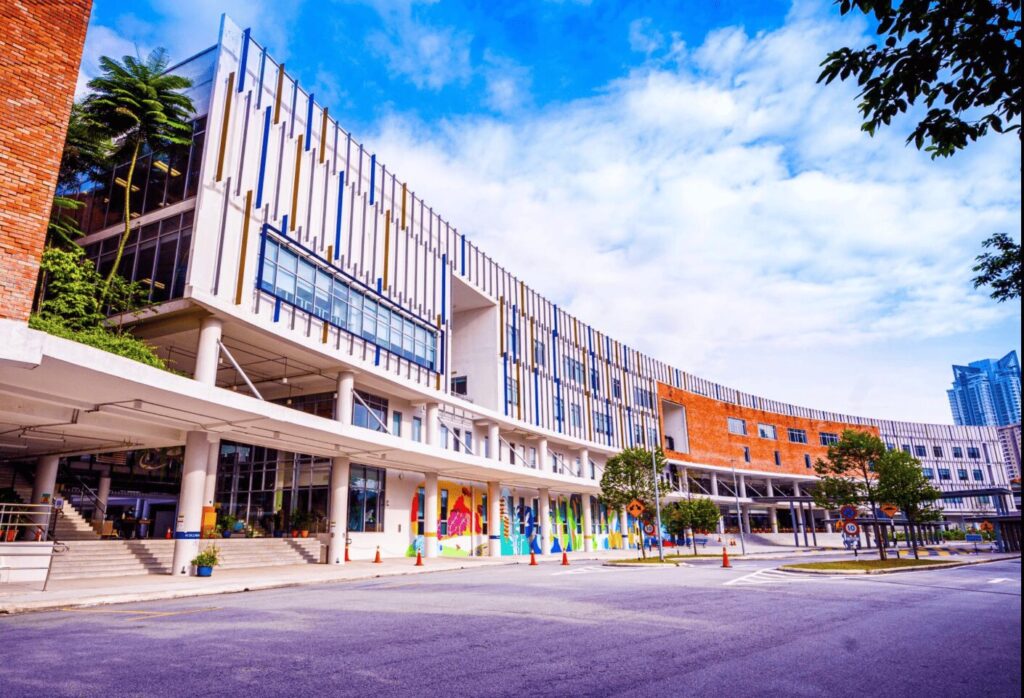
Malaysia offers a wide range of international schools with British, American, Australian, and International Baccalaureate (IB) curricula.
Tuition fees are often lower than those in Singapore or Western countries, making Malaysia an attractive option for families seeking quality international education.
Areas such as Mont Kiara in Kuala Lumpur are particularly popular among expatriate families due to their concentration of international schools and foreign-friendly amenities.
A multicultural classroom environment also allows children to grow up with global perspectives and diverse friendships.
Conclusion
Moving to Malaysia offers many advantages: widespread English usage, comparatively affordable living costs, quality healthcare, and diverse international education options. At the same time, prospective residents should consider factors such as climate, transportation needs, and evolving visa policies.
Relocation is a significant life decision. Evaluating visa conditions, budgeting carefully, and understanding the local culture will help you determine whether Malaysia aligns with your long-term goals.
For retirees, remote professionals, entrepreneurs, or families seeking international exposure, Malaysia remains one of Southeast Asia’s most flexible and appealing relocation destinations. With proper preparation, it can provide a comfortable and rewarding lifestyle abroad.